
Neat! Locations Guide
Themes, vibes, and organizing angles for all eight of Molly’s hand-crafted client spaces.
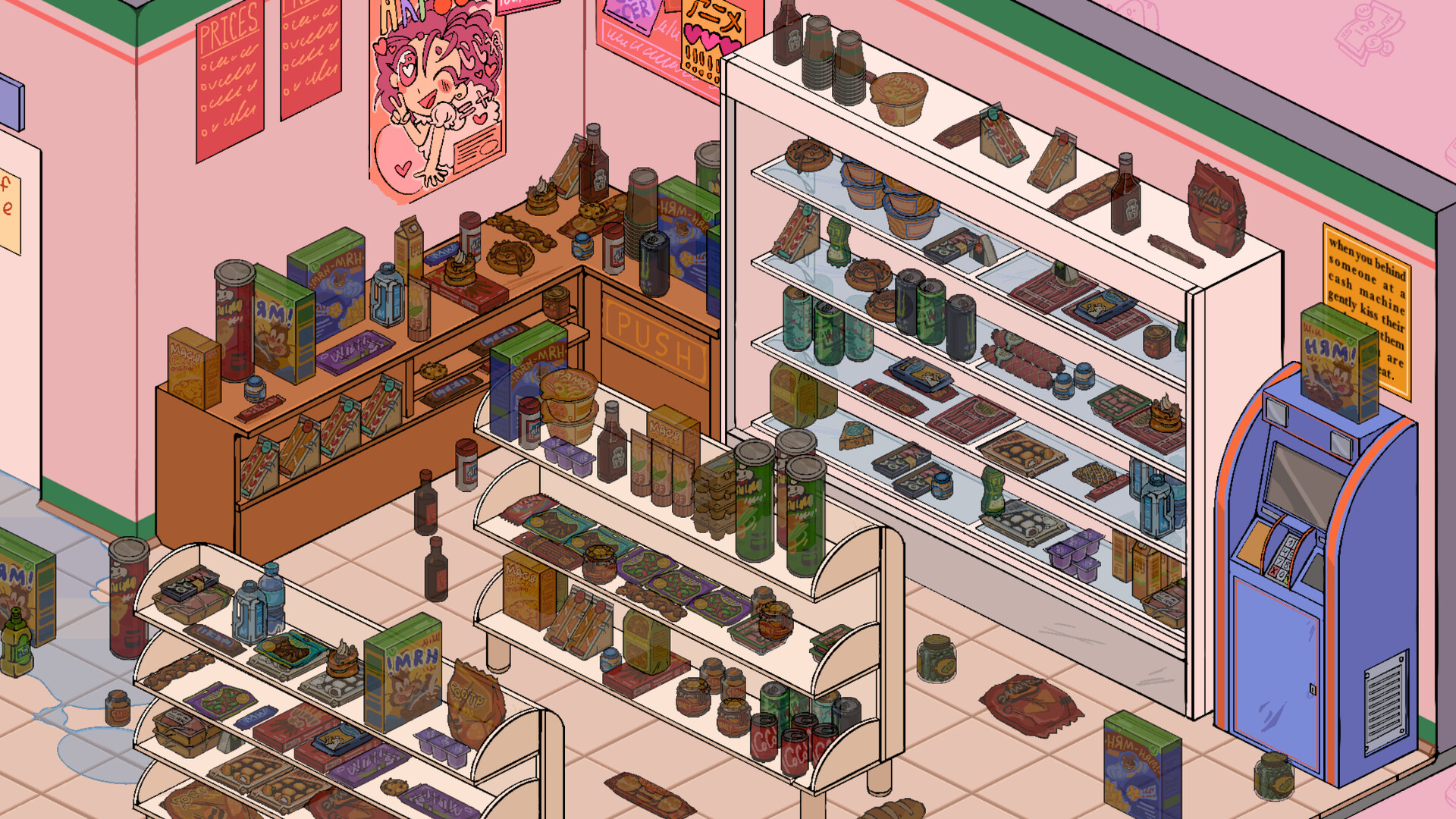
Neat! is built around eight hand-crafted locations, each a personal story told through clutter. Developer Korova Games uses gardens, libraries, streaming desks, kitchens, and late-night retail to show how people live—and what they avoid facing. This page is a theme deep dive, not a pixel checklist. For step-order progression, use the Walkthrough. For placement craft, use Tips.
You play as Molly, whose organizing startup treats messy rooms as care work. Layouts stay flexible: finish when a space feels right for its client. Expect roughly 3.5–4 hours across the full set, with Steam Cloud and Deck Verified comfort for cozy sessions.
1. Grandmother’s garden
The campaign opens outdoors. Soil, tools, plants, and keepsakes introduce Molly’s service at a gentle pace.
Story texture: inheritance, routine care, love expressed through tending living things.
Organizing angle: create breathable outdoor zones—growing, resting, storing—without sanding off personality. Gardens should look used.
Watch for: notes and objects that explain why Molly takes these jobs seriously. This space teaches you to look twice before decluttering sentiment.
Links: Getting Started · Controls for camera work among foliage.
2. Neighborhood library (chamber music → rock concert)
A community library after a quiet chamber music evening somehow exploded into rock-concert chaos. Formal culture and loud culture collided; you inherit the aftermath.
Story texture: public space vs private mess, community identity, “what happened last night?” archaeology.
Organizing angle: restore shelves, seating, and music-related props so the room can be a library again, while letting evidence of the concert remain as memory rather than trash—unless the notes say otherwise.
Watch for: programs, instruments, flyer residue, and staff or patron writing that explains the escalation.
Links: Walkthrough library section · Tips for sorting event debris from permanent collection.
3. VTuber streaming room
A streaming setup before a first live show: tech, plushies, branding, cables, and caffeine archaeology.
Story texture: online identity, stage fright, parasocial work, the gap between on-cam persona and off-cam piles.
Organizing angle: build a functional broadcast desk, tame cable nests, and group merch so the backdrop feels intentional. Keep a human corner—sleep, snacks, non-stream life.
Watch for: scripts, chat-related notes, and objects that reveal why this first stream matters.
Links: dense-desk camera advice in Controls.
4. “Haunted” living room
The client swears the living room is haunted. Whether the haunting is literal, psychological, or both is for you to interpret through props.
Story texture: fear in familiar furniture, grief, superstition, the stories we tell about creaks and cold spots.
Organizing angle: make the room inhabitable and calm without erasing the mystery. Odd object placements may be clues, not mistakes.
Watch for: tapes and notes that reframe “hauntings” as memory. Move slowly; spooky lighting makes it easy to miss floor-level story.
Links: Tips on reading environmental narrative · light spoiler discipline in the Walkthrough.
5. Hermit room (everything without going outside)
A room belonging to someone who has arranged life so they never need to step outside—stock, comfort, entertainment, and coping infrastructure.
Story texture: agoraphobia-adjacent survival, shame vs pragmatism, dignity in closed loops.
Organizing angle: optimize internal logistics. Put daily needs on easy paths. Do not “cure” the client with an outdoor fantasy makeover the story does not ask for.
Watch for: delivery traces, calendars, comfort objects, and writing about the world beyond the door. Confirmed achievement naming energy like Touch Grass… Later resonates thematically—details on Achievements.
6. Single mom’s kitchen
A kitchen under real-life load: meals, time debt, kids’ presence, love measured in leftovers and lists.
Story texture: caretaking labor, fatigue, small joys, the politics of a shared fridge.
Organizing angle: workflow first—prep, cook, clean, store—then sentiment. Keep child-related items where the household actually reaches for them.
Watch for: schedules, lunch notes, broken routines, and food as affection. Culinary flair achievements such as Chef’s Kiss are covered carefully on the achievements page without inventing extra titles.
Links: Tips zone clearing · kitchen hero imagery vibes on that tips page.
7. Japanese konbini (night shift)
A convenience store during the lonely mechanics of night shift: fluorescent calm, restock logic, employee personal pockets inside retail space.
Story texture: service work, insomnia hours, transient customers, quiet pride in a clean aisle.
Organizing angle: think like a closer. Face products, clear hazards, reset stations, separate “store” from “staff life.”
Watch for: shift notes, supplier remnants, and objects that show who this night belongs to. Retail density rewards patience and good framing—see Controls.
8. The deeply personal final space
The last location is the most personal of all. This guide will not spoil whose space it is or what the objects finally say. It is designed to land after you have practiced empathy across the previous seven jobs.
Story texture: everything Molly has learned about care, clutter, and listening.
Organizing angle: trust your instincts. Read every scrap. Do not optimize for speed.
Watch for: motifs echoing earlier rooms—garden care, public vs private mess, performance, fear, withdrawal, feeding others, night work.
Links: finish via Walkthrough, then reflect with the Review.
Cross-location motifs
Across all eight spaces, Neat! repeats a few quiet theses:
- Clutter is biography. Throwing away without reading is missing the game.
- Public mess ≠ private mess. Library and konbini chaos differ from hermit nesting.
- Work and care blur. Molly’s startup framing makes tidying labor visible.
- No universal aesthetic. A “neat” VTuber desk and a “neat” garden obey different rules.
- Sound matters. Tapes and soundtrack cues change how a room feels when you place the last object.
Suggested companion tabs
| If you want… | Open |
|---|---|
| Order of play | Walkthrough |
| Day-one help | Getting Started |
| Placement craft | Tips |
| 100% cleanup | Achievements |
| Buyer / verdict context | Review |
| Patch / launch context | Launch notes · Updates |
| Official links | Wiki / links |
Neat!’s map is small on purpose. Eight rooms are enough when each one is a short story you assemble with your hands. Move through them kindly—and let the final space be earned.
Frequently Asked Questions
Quick answers about Neat!, Molly, and this fan wiki.
How many locations are in Neat!?
Eight hand-crafted spaces, from a grandmother’s garden through a konbini night shift to a deeply personal finale.
Which location should I play first?
Follow the game’s order starting with the garden. It teaches Molly’s loop before denser indoor jobs.
Are outdoor and indoor spaces both included?
Yes. The garden opens outdoors; later jobs include homes, a library, a streaming room, a kitchen, retail, and more.
Will this page spoil the final room?
No. It explains the finale’s role without revealing whose space it is or the personal twist.
Where is the step-by-step progression guide?
Use the Walkthrough for spoiler-aware progression notes tied to each location in order.